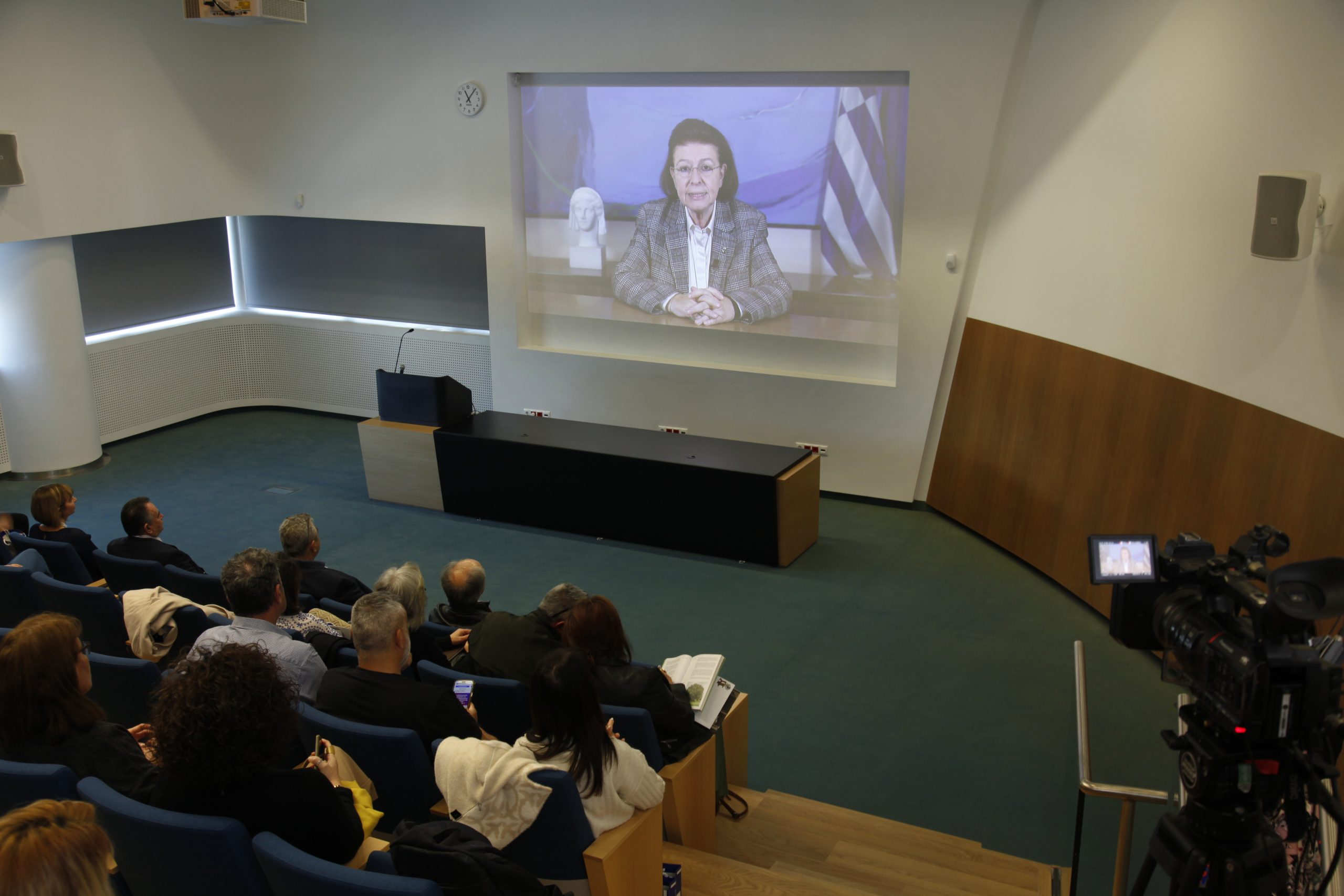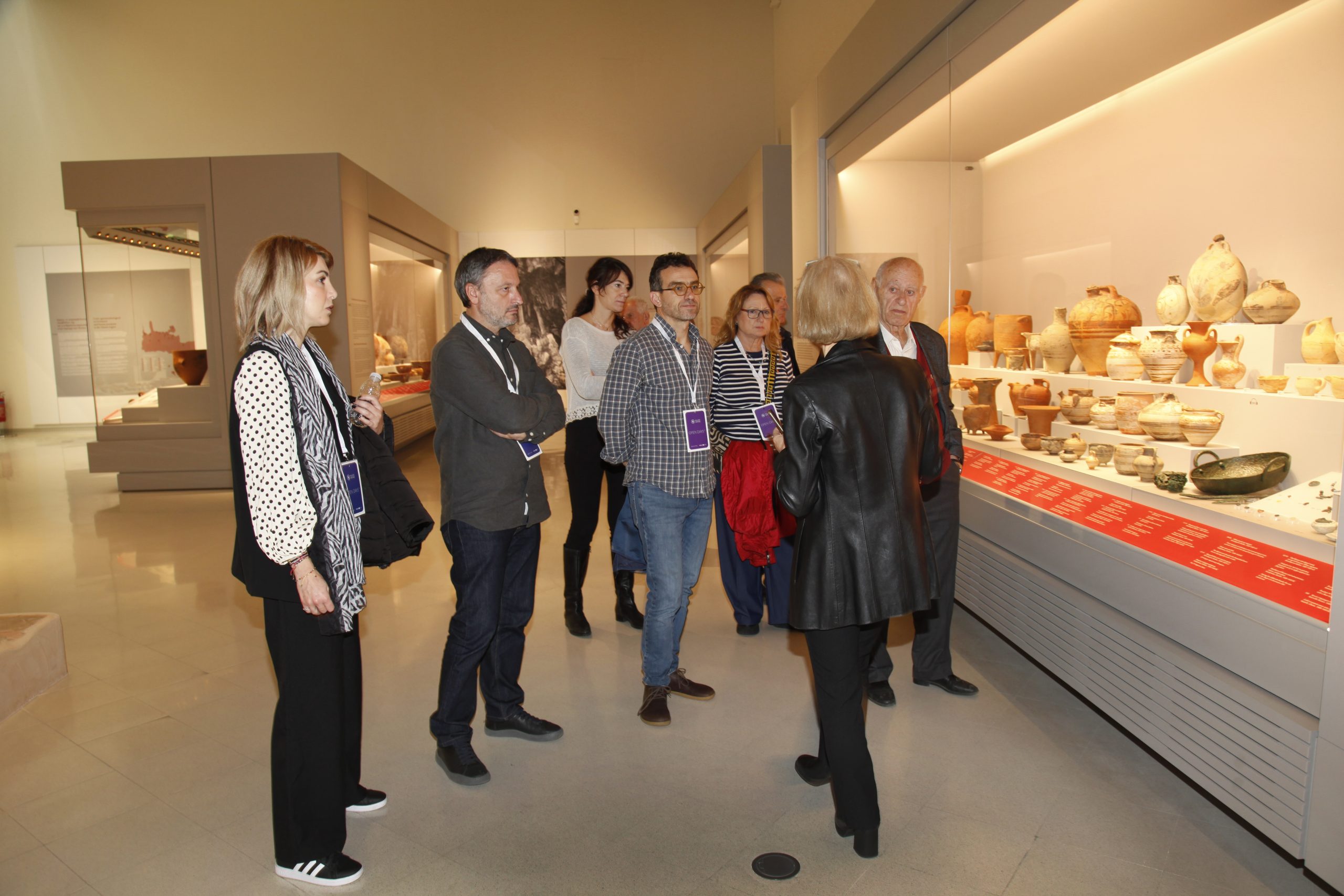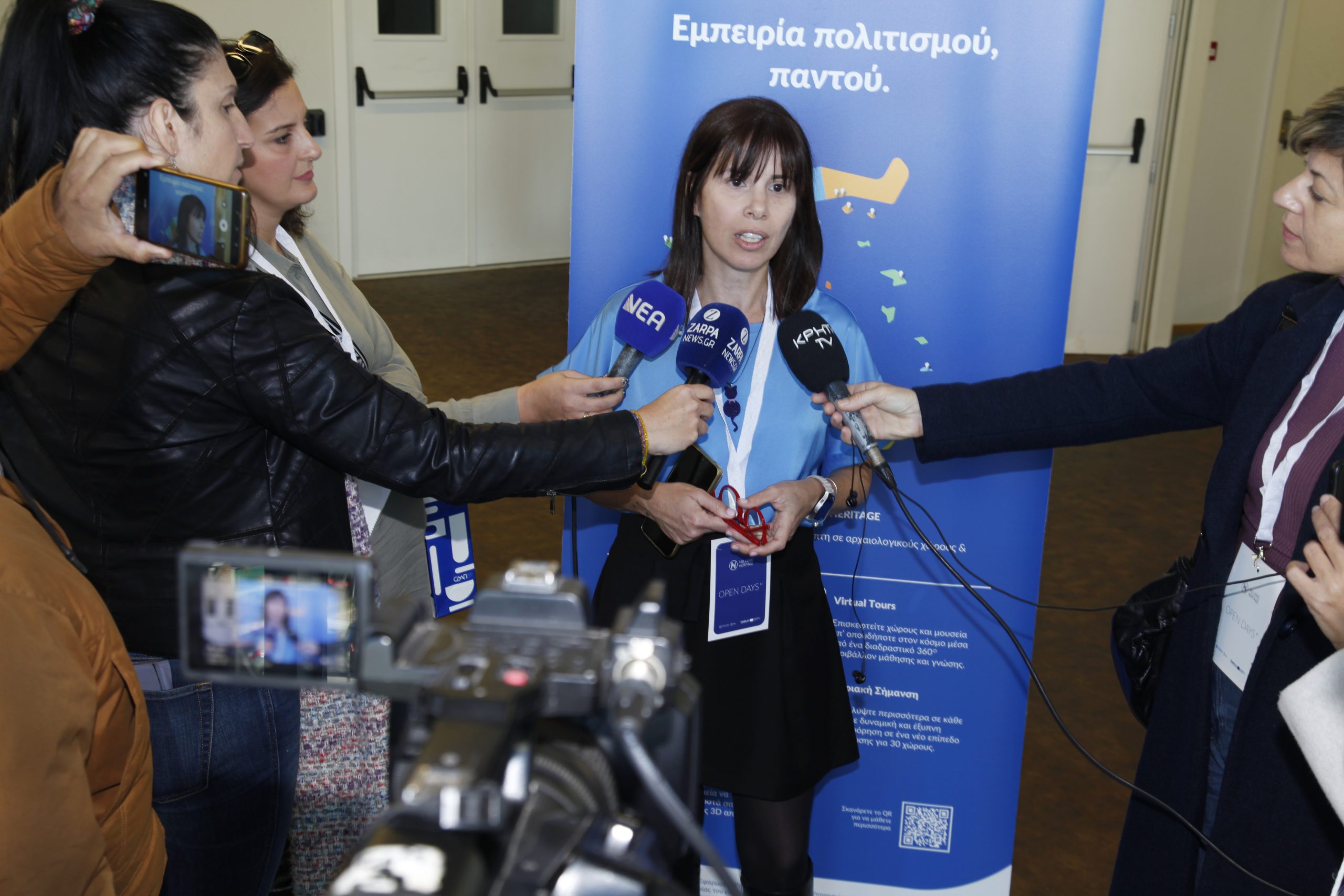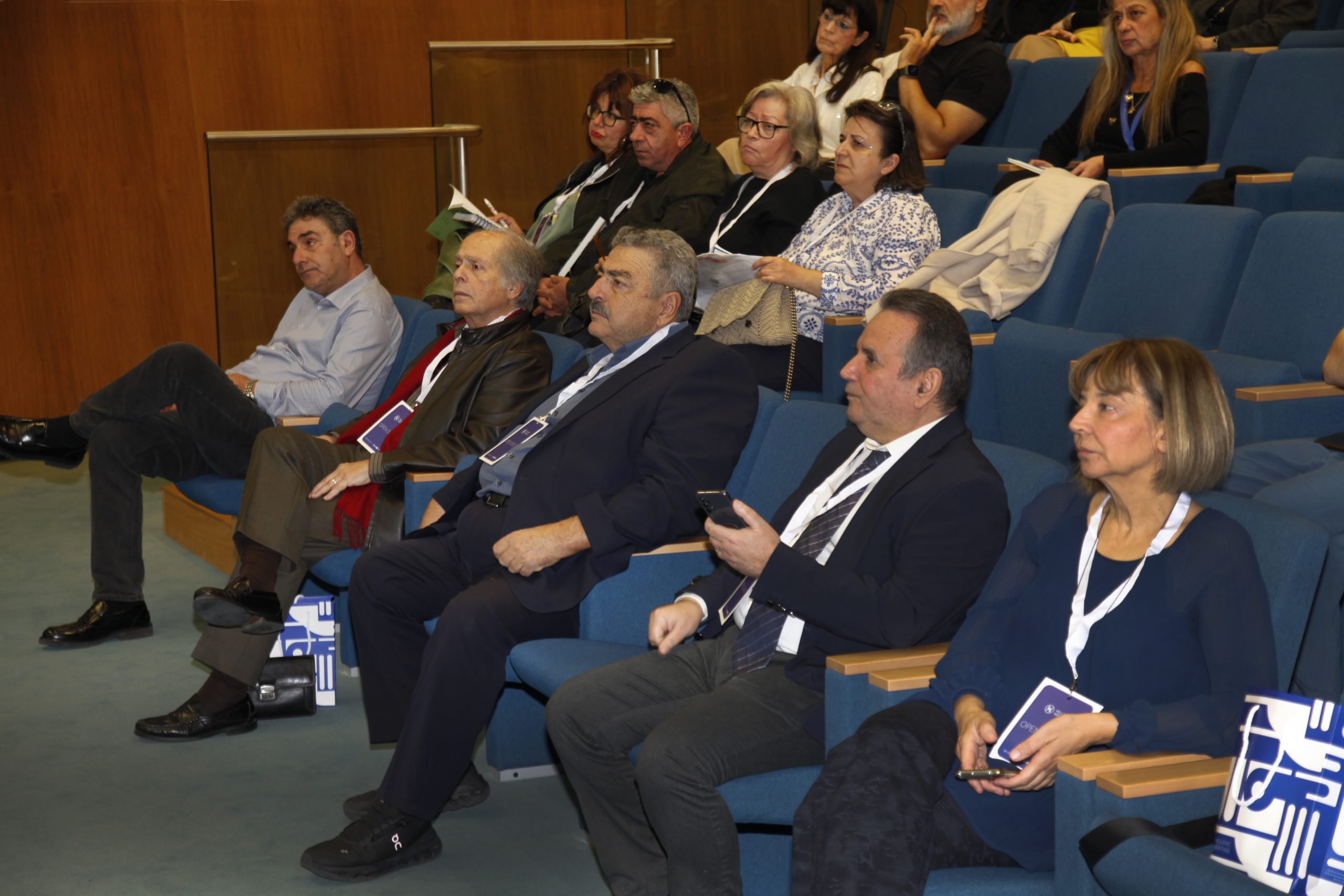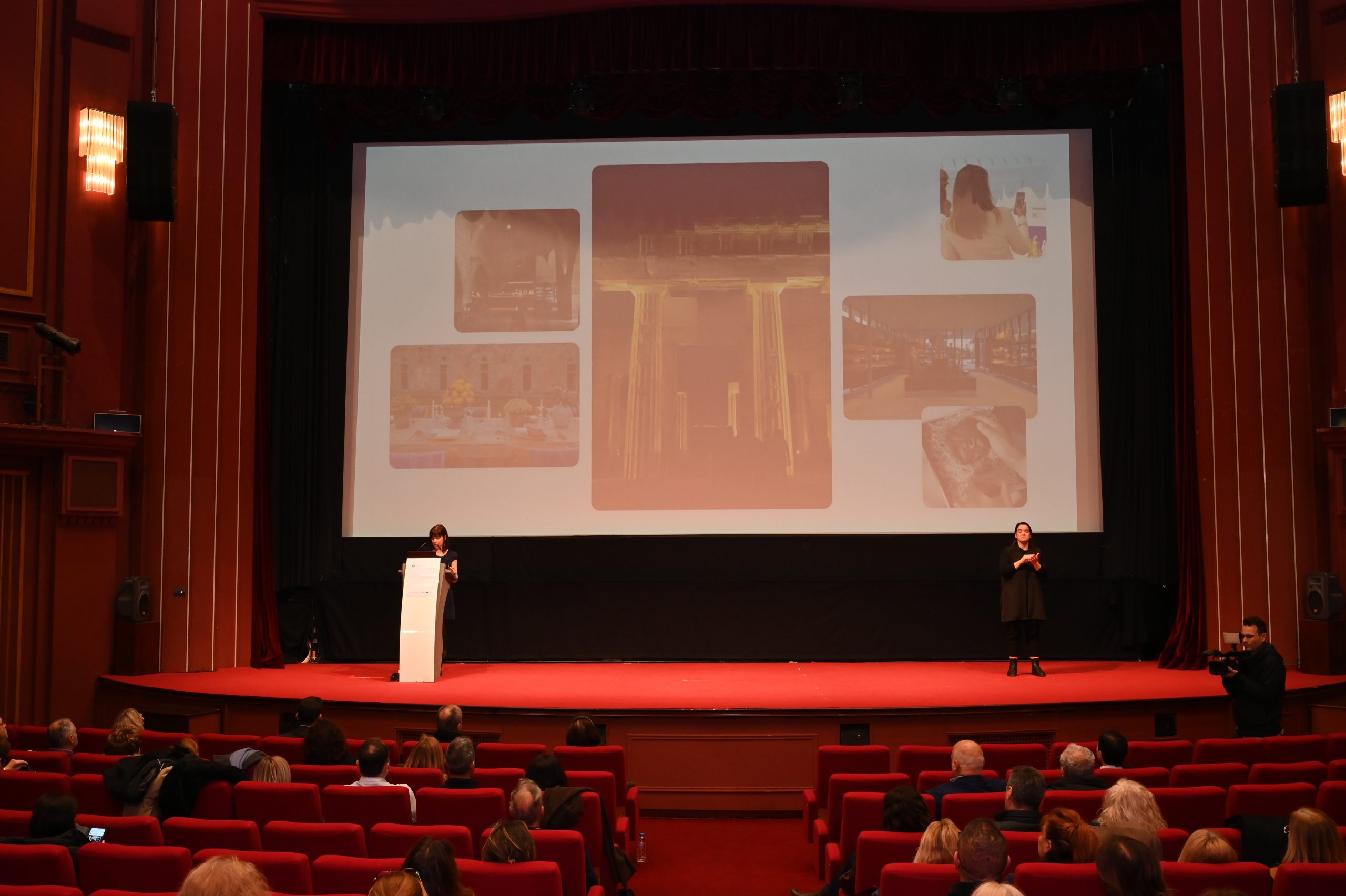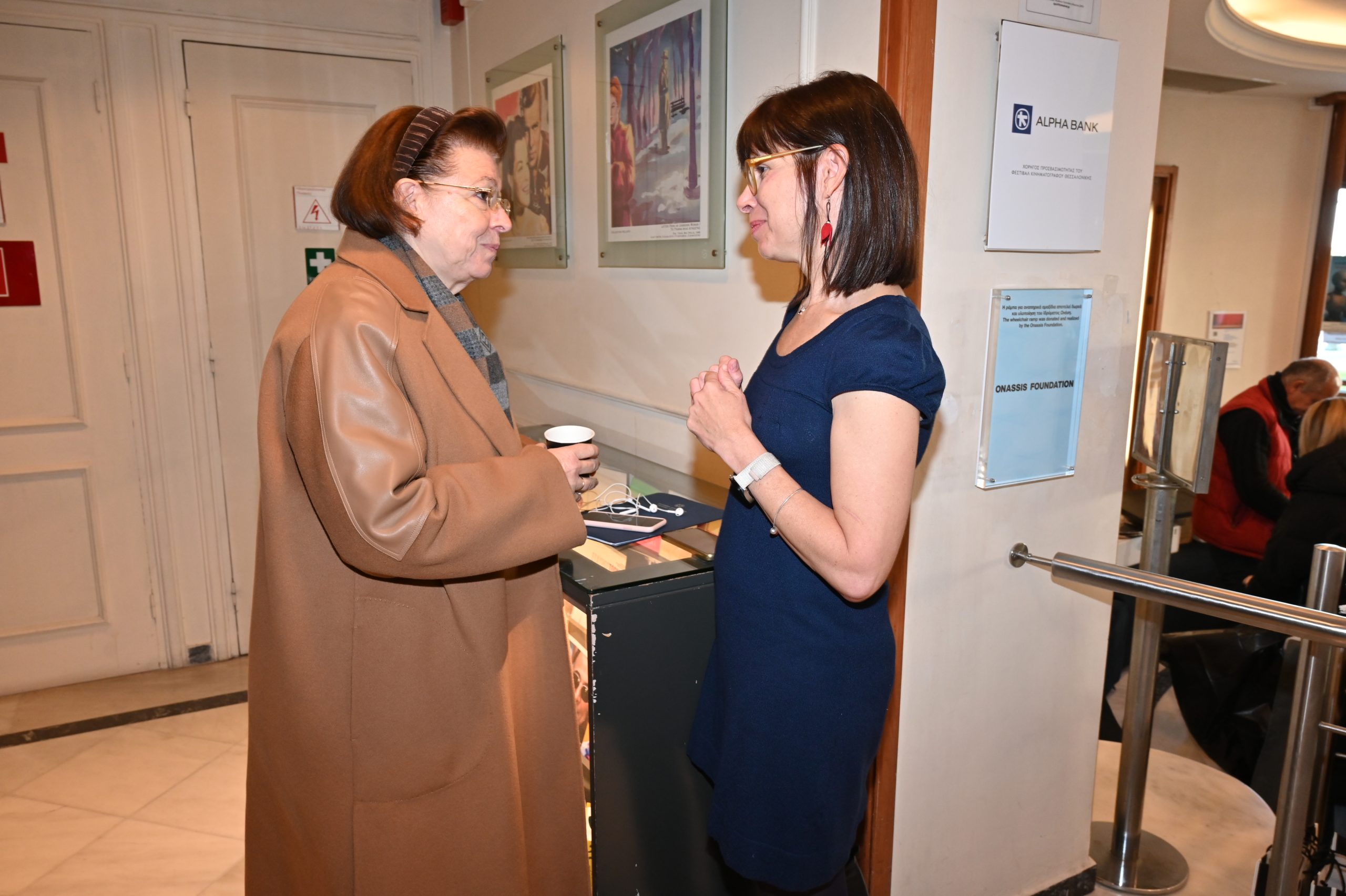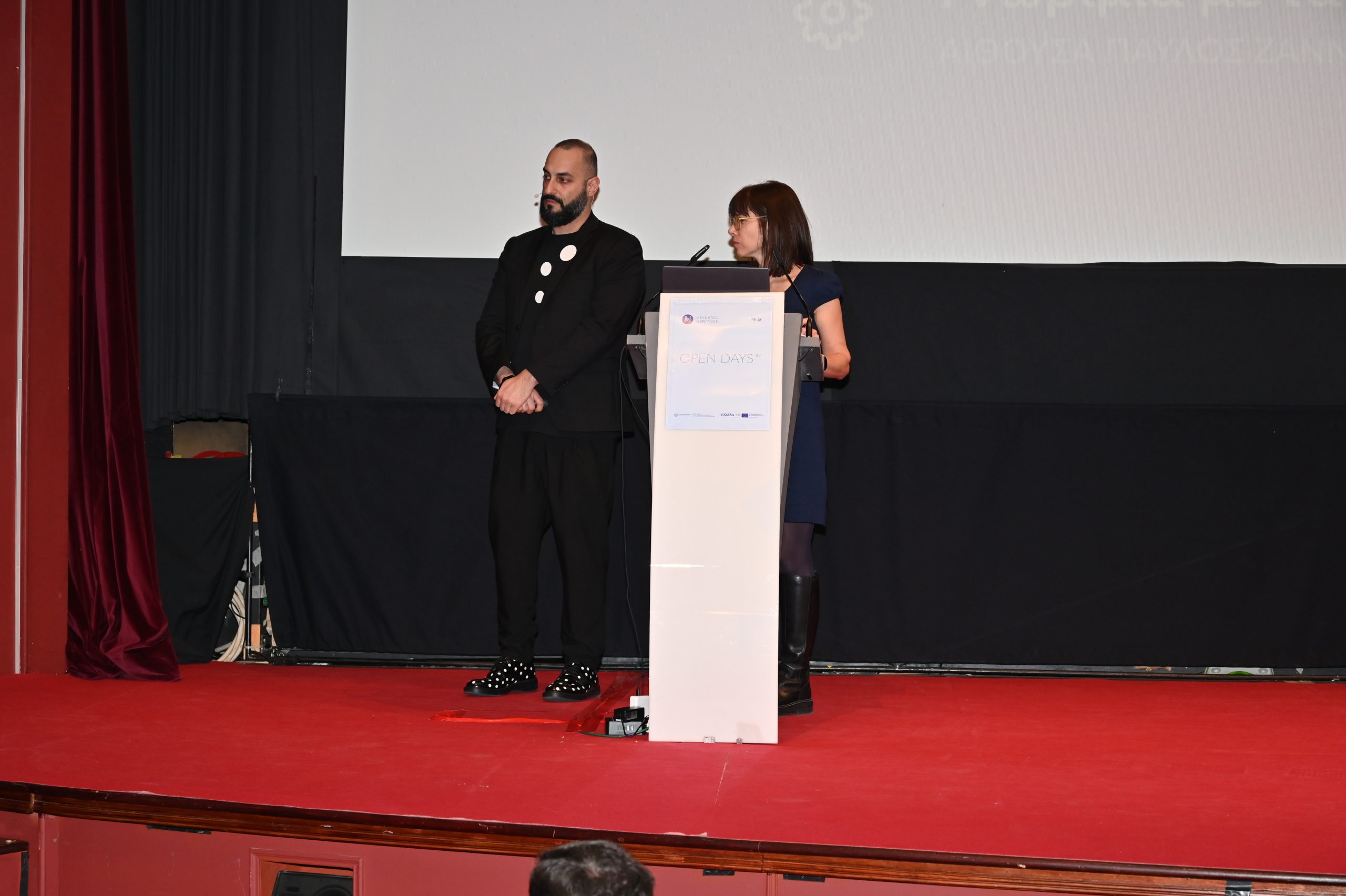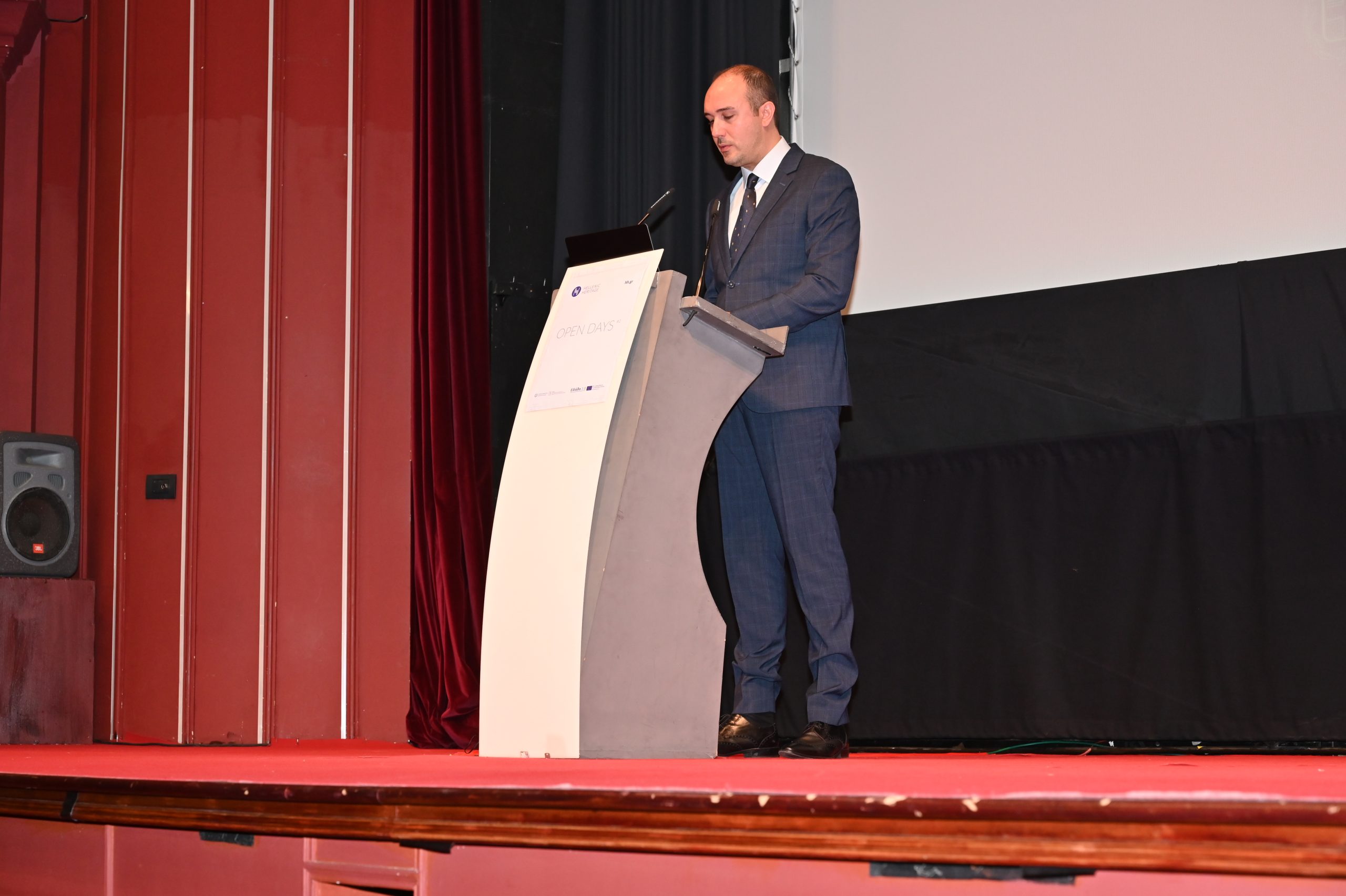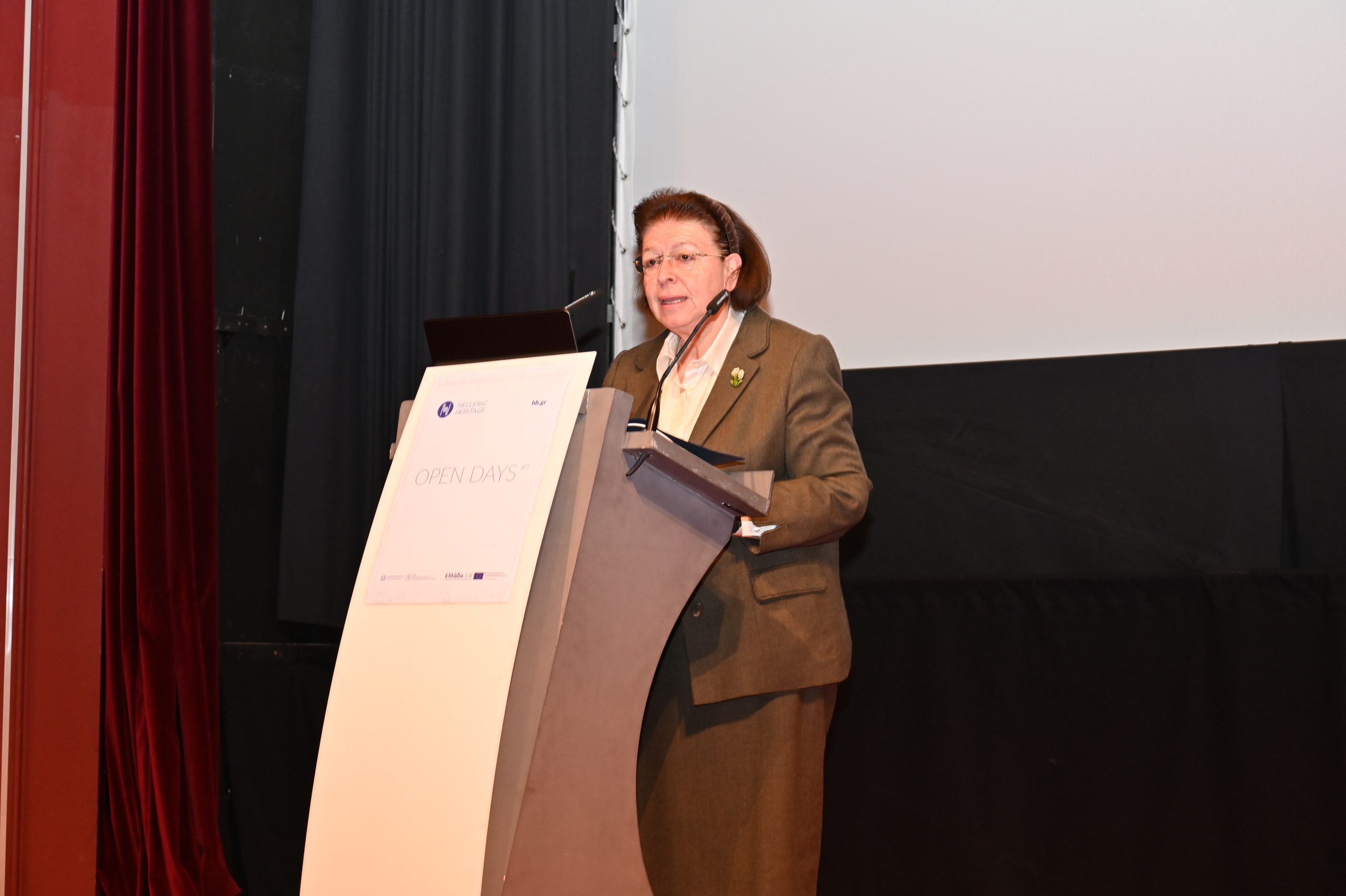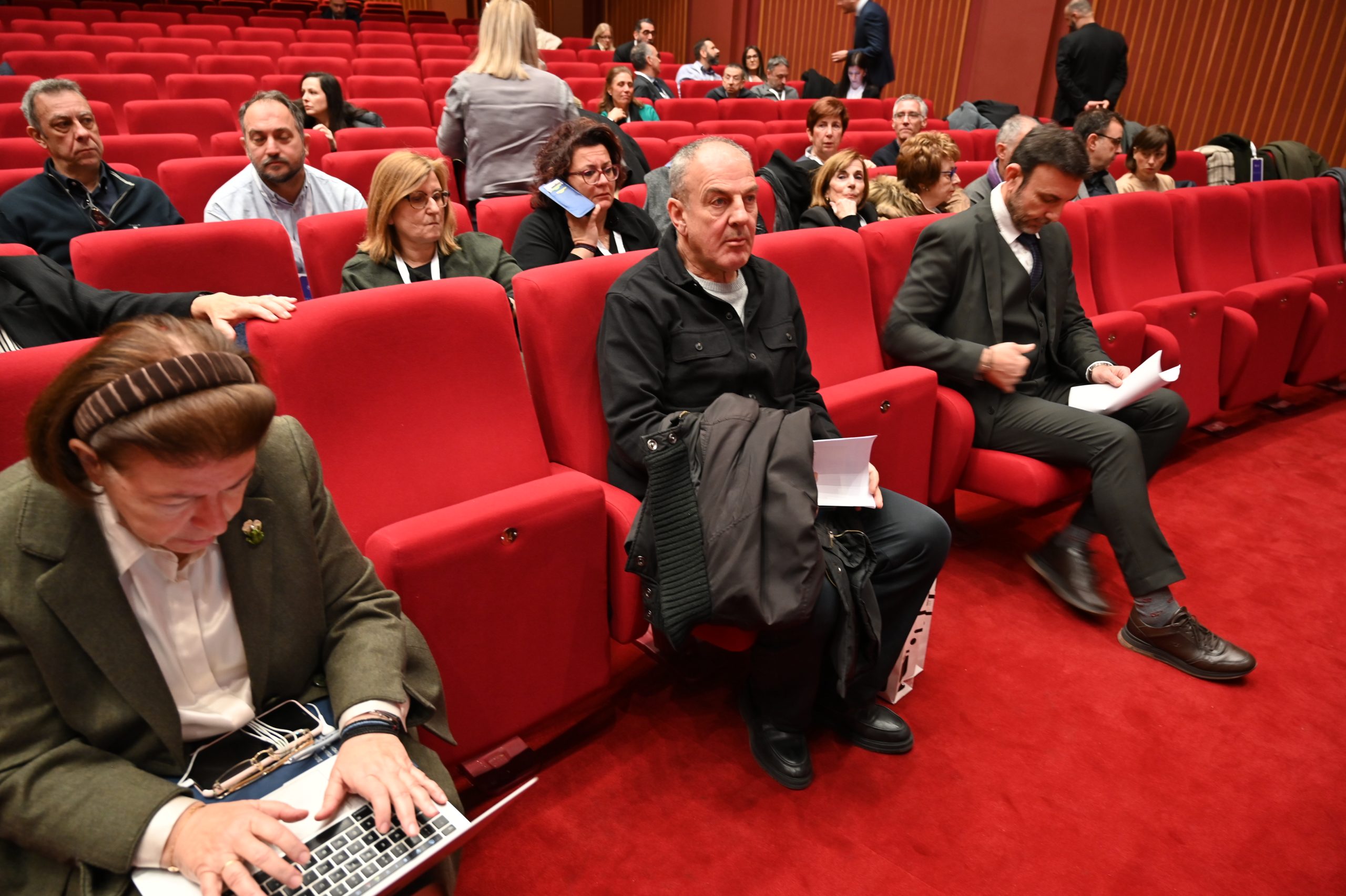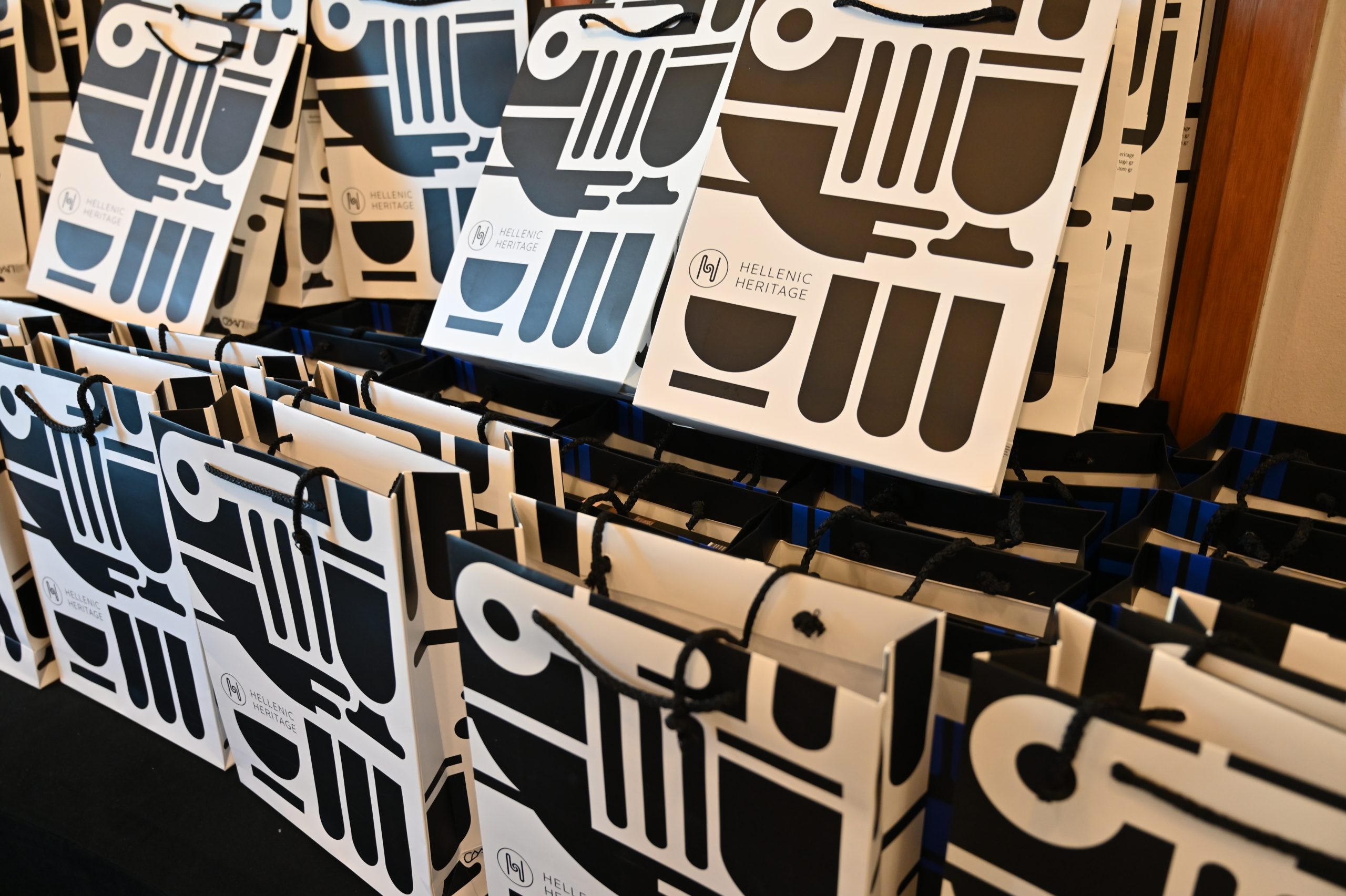
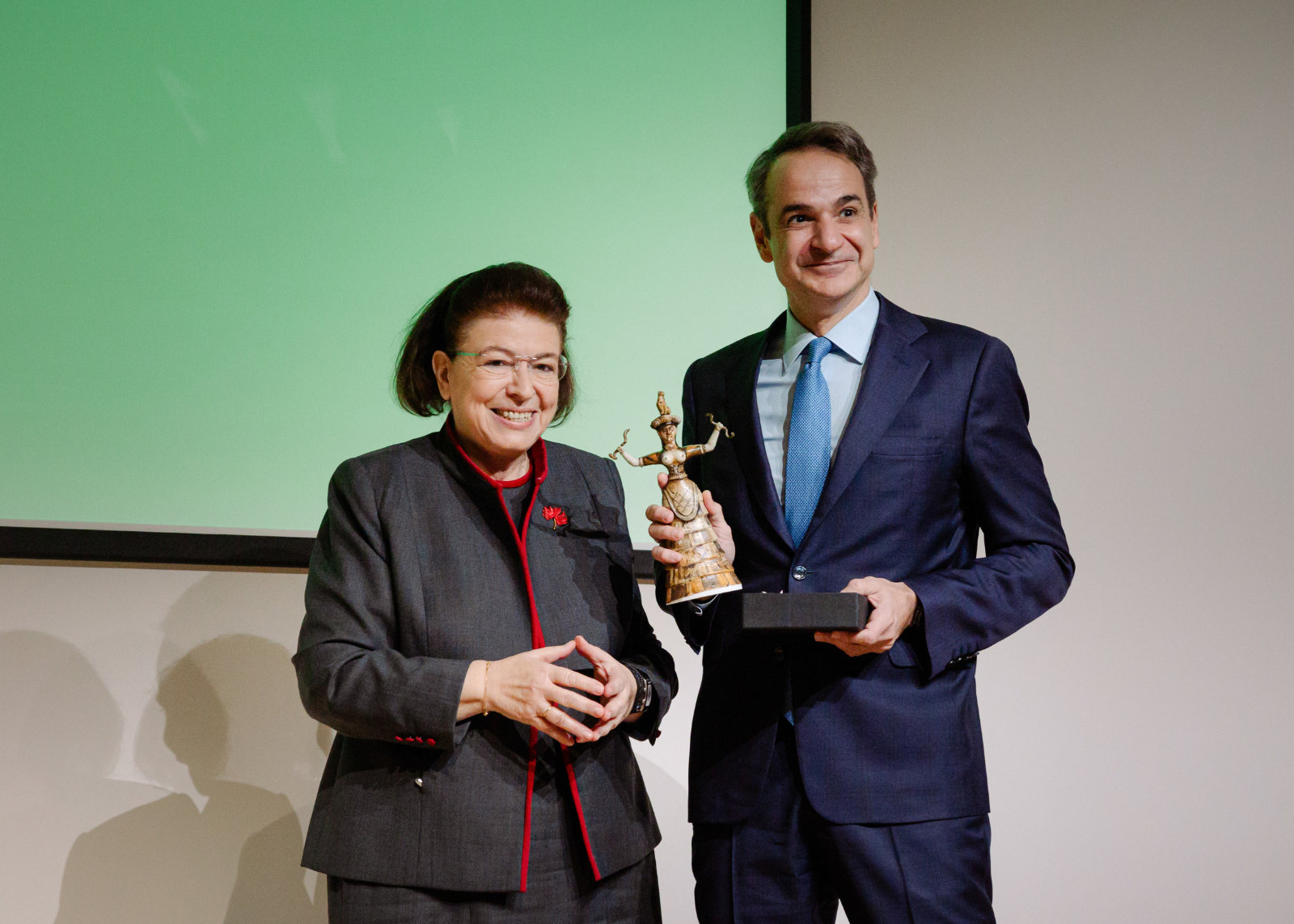
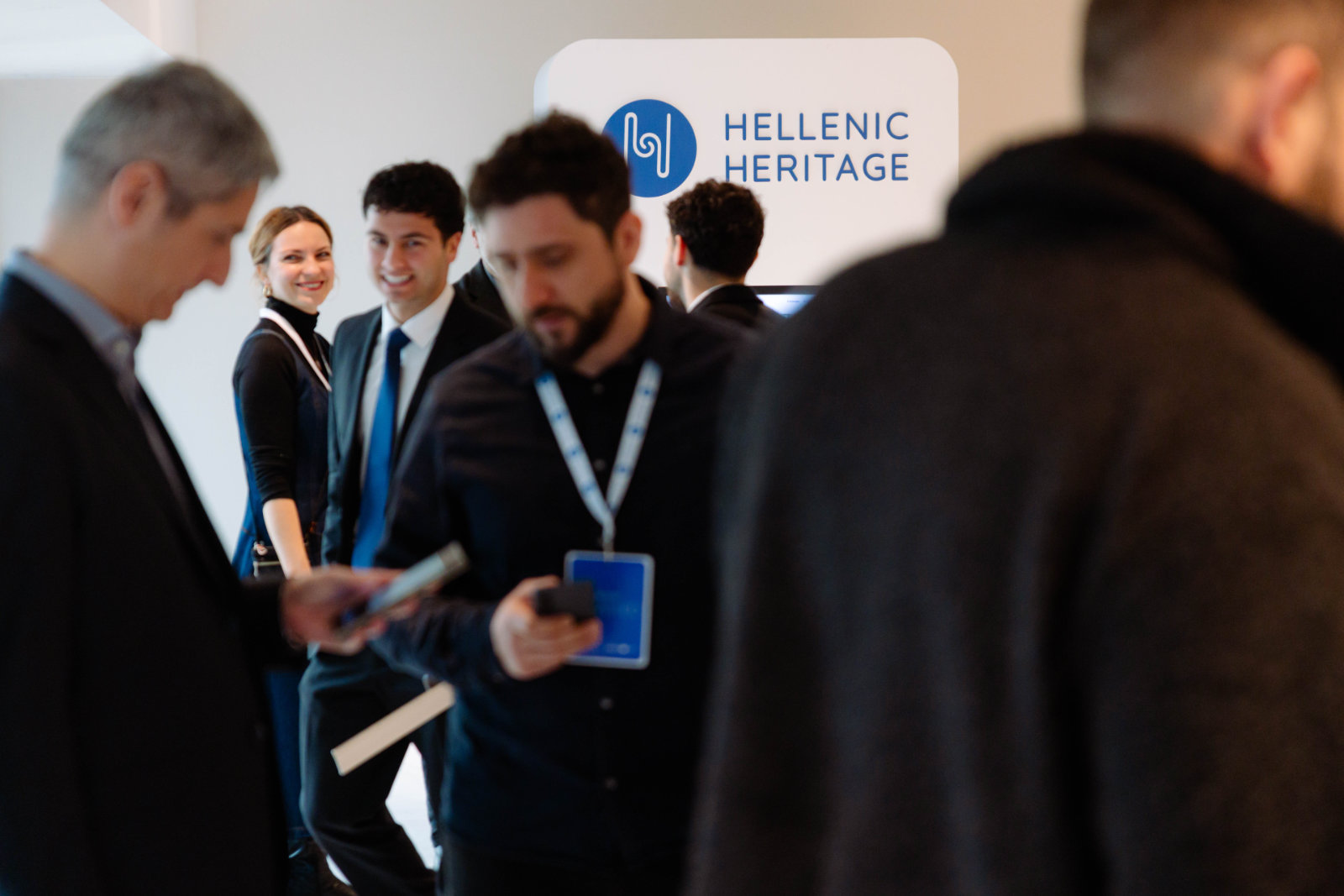
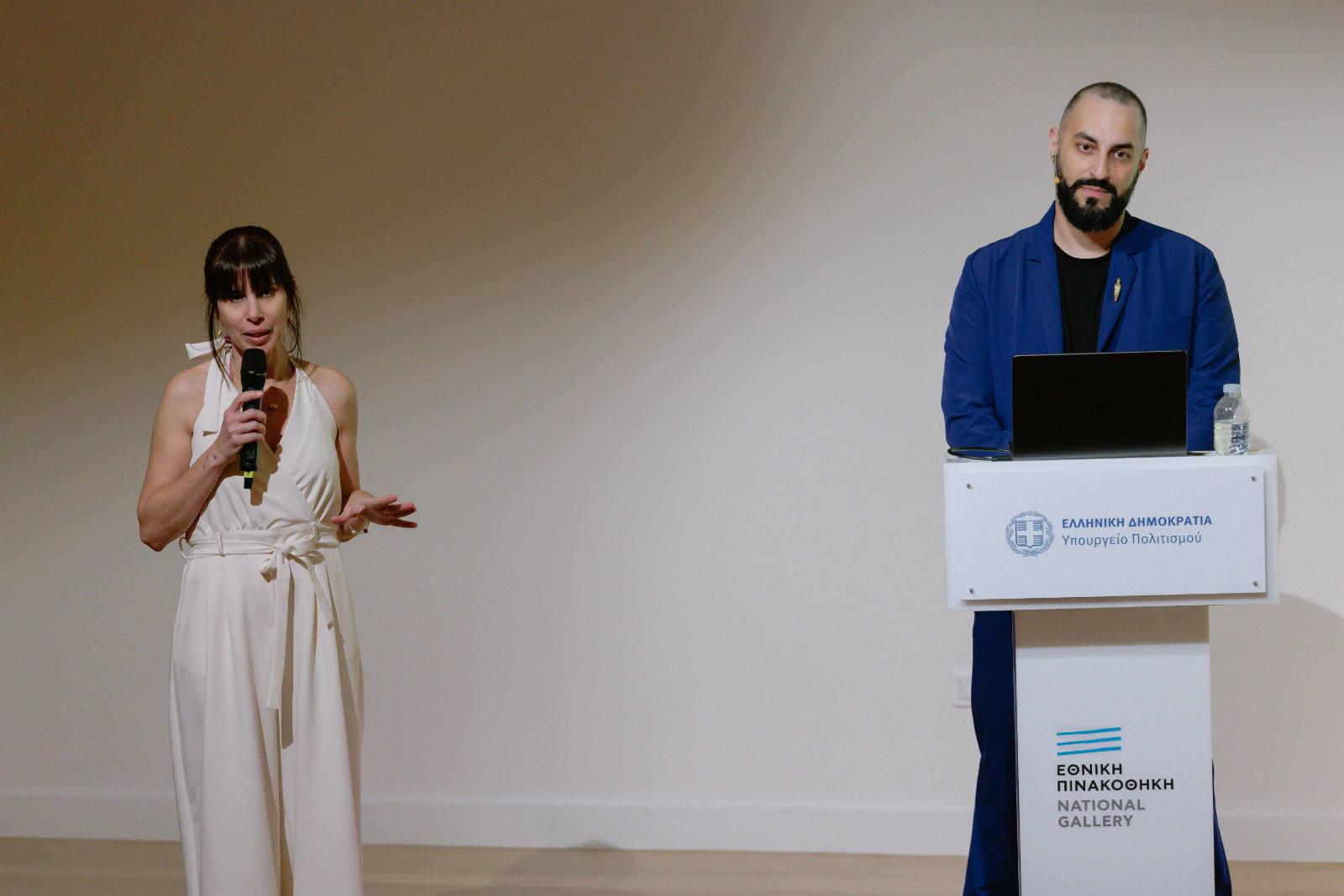
Today, at the National Gallery – Alexandros Soutsos Museum, the new digital ecosystem of cultural services Hellenic Heritage was presented by the Organization for the Management and Development of Cultural Resources (ODAP), in the presence of Prime Minister Kyriakos Mitsotakis and Minister of Culture Lina Mendoni.
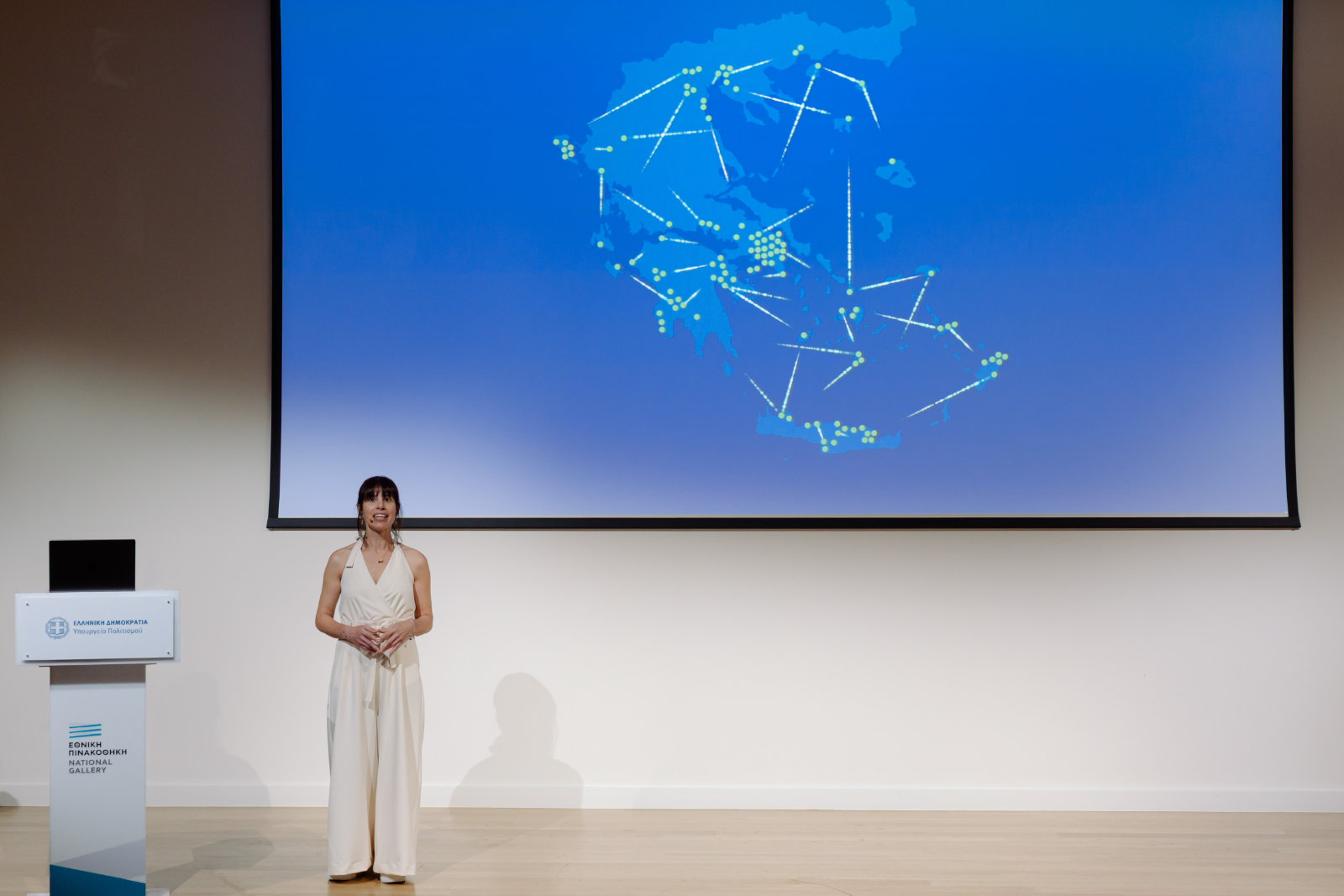
The project concerns the comprehensive digital upgrade of the visitor experience at more than 350 archaeological sites, museums, and monuments across the country, and constitutes a unified system of interventions that improves the operation, organization, accessibility, and sustainability of cultural services. It is funded by the Recovery and Resilience Facility through NextGenerationEU and is being implemented by the Ministry of Culture through ODAP.
In his address, Prime Minister Kyriakos Mitsotakis stated, among other things: “With technology as our vehicle, from now on Hellenic Heritage—simply put, the central gateway portal for our national culture—will substantially enhance the visitor experience in our museums, monuments, and archaeological sites. It is an emblematic project, Minister, which indeed uses the latest state of the art in technology not only to showcase our cultural wealth, but also to provide new dimensions of experience. Through technology—virtual and augmented reality—visitors will be able, even from a distance, to ‘travel’ through time and to Greece, to events and, of course, to the art that framed them.
If Greece possesses this unique cultural wealth, then the application that introduces visitors to unique Greek culture must be of global standing—at a level that will make it a true leader compared to similar applications abroad. I believe we have every reason to feel satisfied that we have achieved this ambitious goal.”
In her speech, Minister of Culture Lina Mendoni noted: “The decisive contribution of Culture to national wealth—both symbolically and economically—is indisputable. Not only in its own right, but also through synergies and interactions with other sectors of economic activity. The Ministry of Culture creates, develops, upgrades, and manages, in a long-term sustainable manner, the local and national attractions and poles of interest required for the creation, maintenance, and strengthening of the competitiveness of tourism flows.
Combining visits to museums and archaeological sites with participation in festivals or traditional events and contemporary cultural activities hosted at archaeological sites, monuments, and museums creates a holistic experience that goes beyond the limits of simple leisure. In the global ‘experience economy’, demand focuses not only on the services provided, but also on uniqueness and authenticity.
Culture becomes the central ingredient of this differentiation. It provides those distinctive elements that transform a place into a destination—with a unique identity, special characteristics, and meaningful added value. The project we are presenting to you today serves the ‘Experience Economy’ and the creation of a strong and distinct identity. It is an integrated digital ecosystem that—for the first time—brings together more than 350 archaeological sites, museums, and monuments into a single, modern gateway for visitors.”
The digital ecosystem
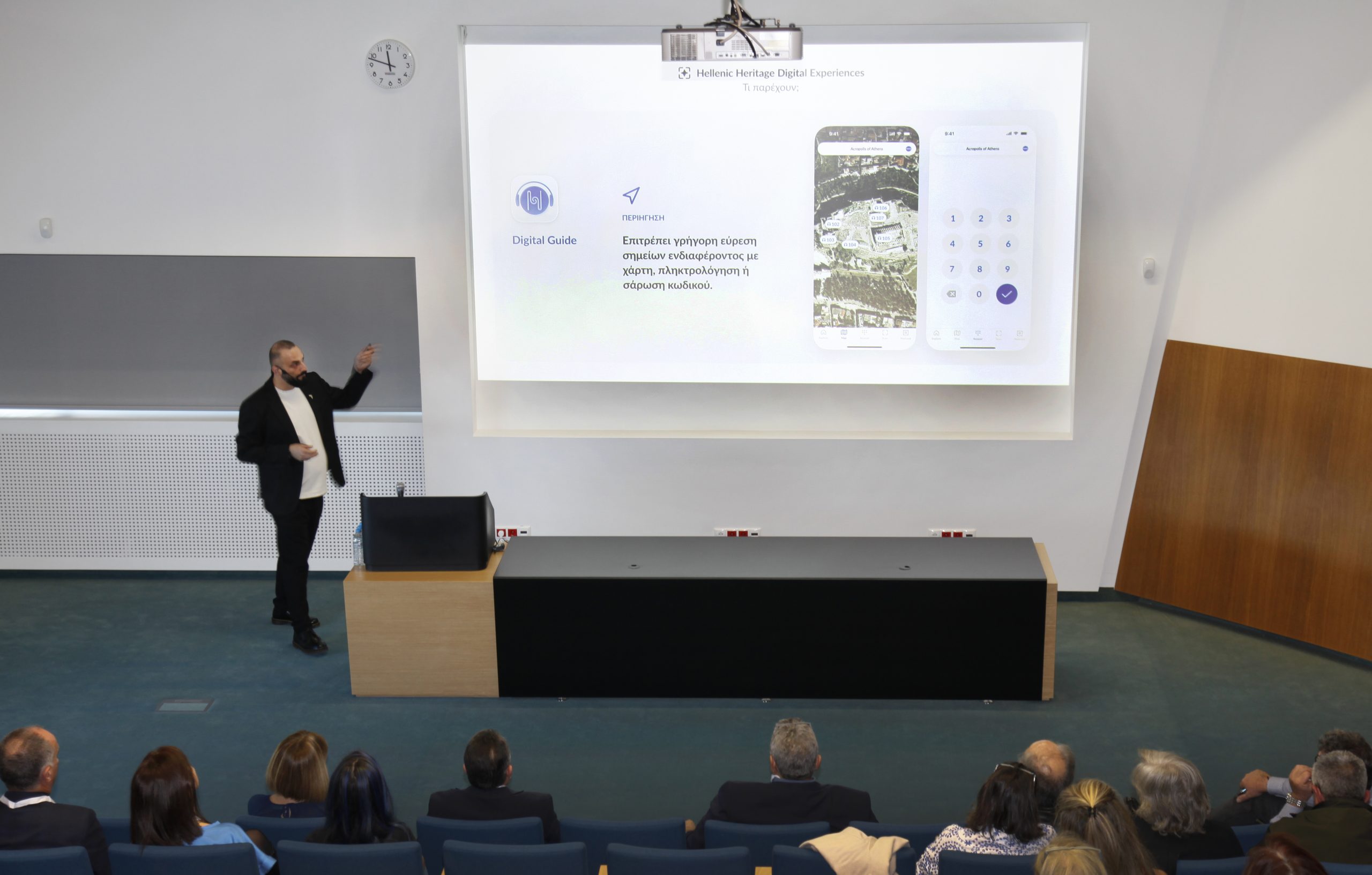
At the core of the project is the new digital platform hh.gr, which, for the first time, brings cultural sites together into a single, unified digital destination. It serves as the country’s official digital gateway to its cultural heritage and hosts certified, scientifically documented content produced by the competent services and experts of the Ministry of Culture.
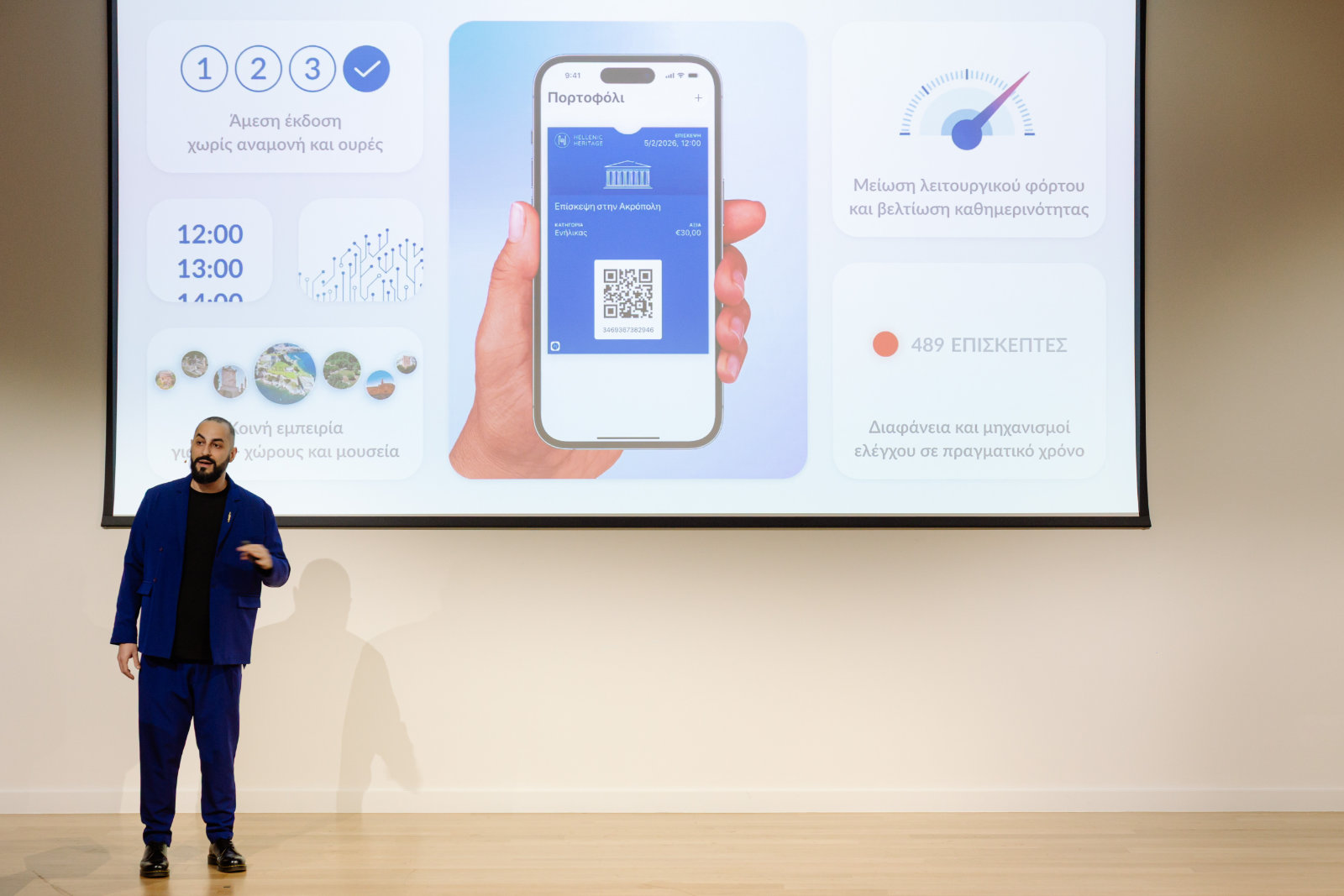
A new unified e-ticketing and access-control system is being developed for 108 archaeological sites and museums, with the aim of simplifying entry, enhancing security, and accurately recording visitor numbers. An entry-zoning system is being implemented at more than 100 archaeological sites, creating more organized and predictable visiting conditions and contributing to the protection of monuments.
Membership card and digital experiences
The Hellenic Heritage membership card was presented, offering free registration and unlimited annual access to cultural sites via hh.gr, strengthening the public’s ongoing relationship with culture and encouraging repeat visits.
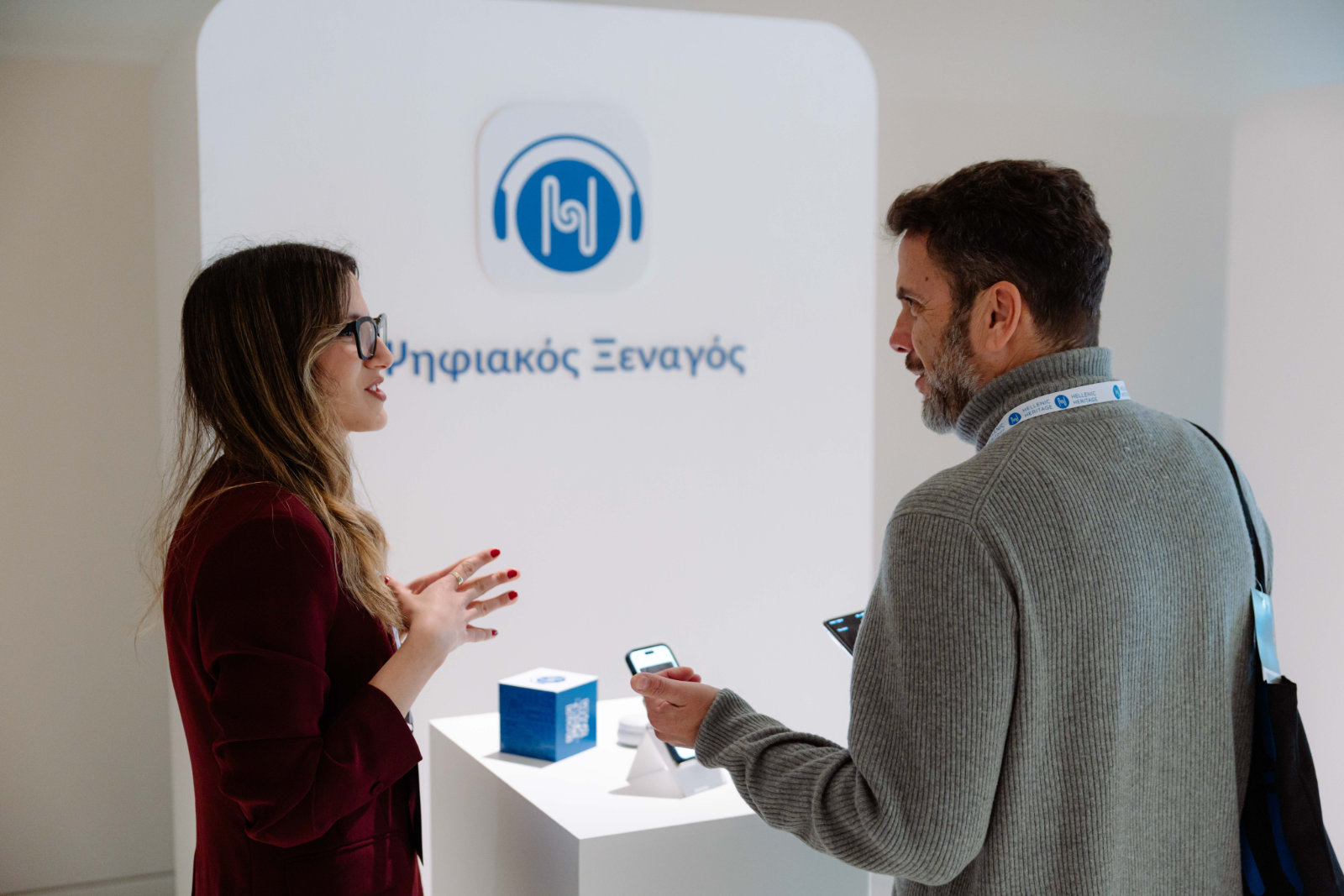
Digital audio guides are being developed for 40 archaeological sites and museums, available in 8 languages, in Greek Sign Language, and—for the first time—in International Sign, offering modern, scientifically documented and certified, immersive guided-tour experiences.
Innovative Augmented Reality and Virtual Reality (AR/VR) applications are being piloted at emblematic archaeological sites such as Ancient Olympia, Delos, the Ancient Agora, the Rotunda of Thessaloniki, Sounion, and the Asclepieion of Kos, enabling the digital reconstruction of monuments and historical phases that are no longer visible today.
Culture, gastronomy, and local identity
Since the summer of 2022, the Ministry of Culture and ODAP have been developing initiatives that link the cultural experience with local gastronomy and the economic development of each region. At 19 selected archaeological sites, monuments, and historic places across the country, events are hosted that highlight local products from the primary production sector, with respect for the character of each site and its cultural heritage, strengthening visitors’ experiential connection with the place.
Accessibility, sustainability, and national benefits
Particular emphasis is placed on accessibility and social inclusion, with services designed for persons with disabilities and their companions from the booking stage onward. Dynamic digital signage systems and advanced monitoring and supervision solutions are being installed, enhancing the security of monuments and the overall quality of the services provided.
The implementation of the project contributes to increasing public revenues, strengthening cultural tourism, improving the country’s international image, and supporting the public sector’s transition into the digital era. At the same time, it promotes green growth by reducing the use of printed materials and adopting digital solutions.
B2B meetings and outreach
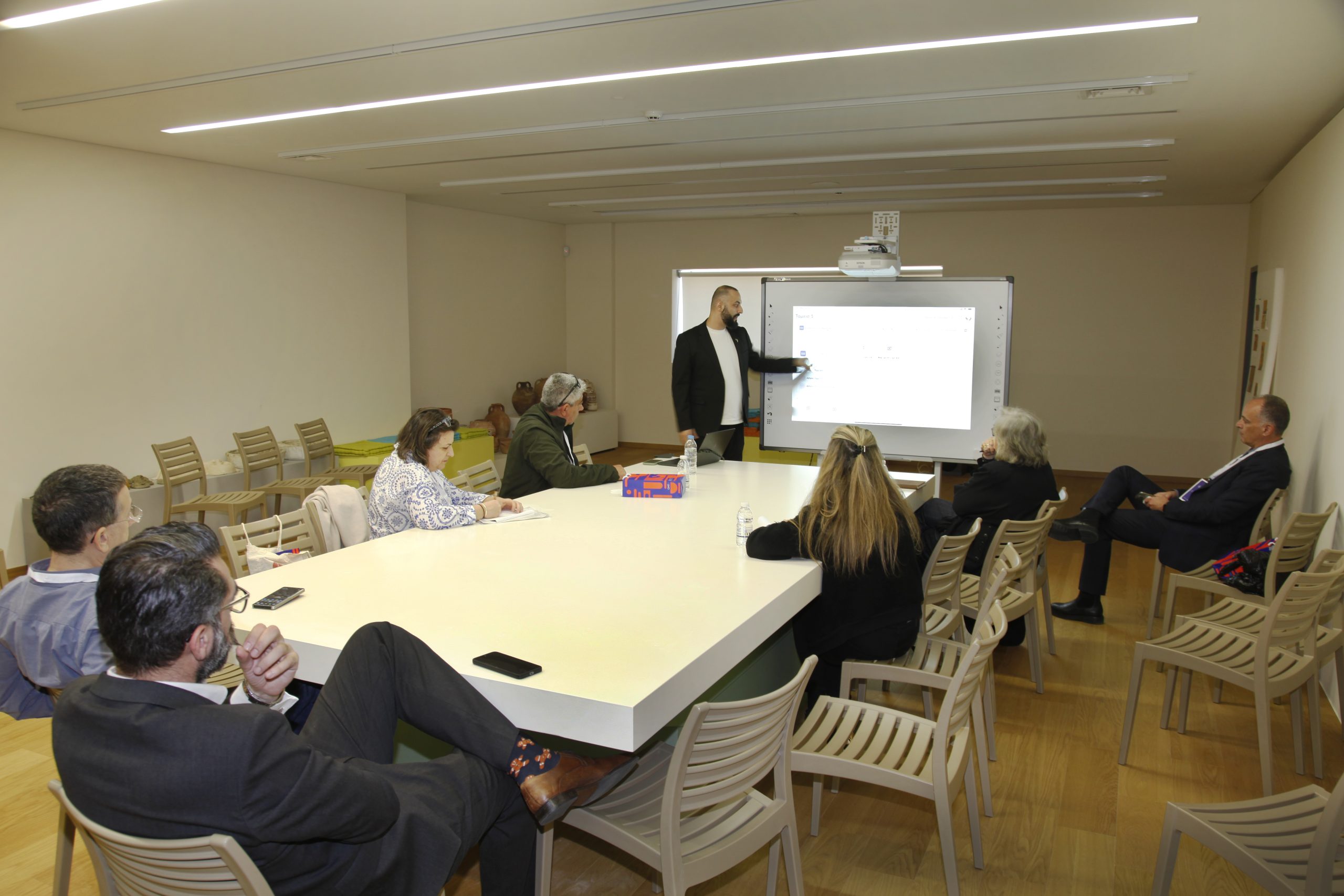
During the event, B2B meetings were held with representatives from the tourism, culture, and technology sectors, aiming to develop partnerships, connect the Hellenic Heritage digital ecosystem with the market, and strengthen the international outreach of the country’s digital cultural services. The project is progressing according to the planned timeline, and the digital e-ticketing and membership-card platform will be fully operational in April 2026.
Upon completion, the country’s cultural sites will operate through a modern, unified digital framework, enhancing accessibility, public revenues, and the international promotion of Greece.